
Intimate hygiene is essential for every woman’s overall health and comfort. We at Erosstar will show you that it’s actually very simple. You can stay fresh and fragrant every day without fail. We’ll tackle crisis moments too—and there will be plenty! Thorough care of your intimate areas is crucial for preventing infections and maintaining optimal sexual health.
Let’s bust a few myths first. It’s definitely not true that the more washing and intimate products you use, the cleaner you’ll be. In fact, you can often do more harm than good.
And myth number two. Yes, everyone smells off sometimes. In fact, more often than you might think. Myths about women smelling divine all day long, even after a full day in the heat, are… simply myths.
How the vagina’s natural defense works
Let’s start at the beginning. Your peach is one thing, your vagina is another. Your vagina is protected primarily by the vulva, the outer part of the vaginal area—your lips.
Natural moisture, which also changes throughout the month, is perfectly normal and part of the vaginal microflora ecosystem. Wet doesn’t mean dirty.
The key role inside your peach is played by lactobacilli, which maintain an acidic environment with a pH of 3.5 to 4.5. This whole team of little helpers in your vagina is a natural biological defense against infections, yeast, and all kinds of trouble.
Throughout the month, hormones can affect the protective function of this mucous membrane, and during certain phases the risk of infection or inflammation is higher. This happens especially just before menstruation, or when you’re stressed, taking hormonal contraception, or antibiotics.
Unprotected sex is also a major disruption to vaginal pH. Still, the vagina should be able to handle all of this. Sometimes it’s called self-cleaning—and that’s true. Your inner ecosystem knows exactly what to do, what to produce more or less of, in order to defend itself from external influences.
You’ll know something is off and that this system is no longer keeping balance quite easily. Burning, odor, or unusual discharge will appear.
Proper washing: Basic principles of intimate hygiene
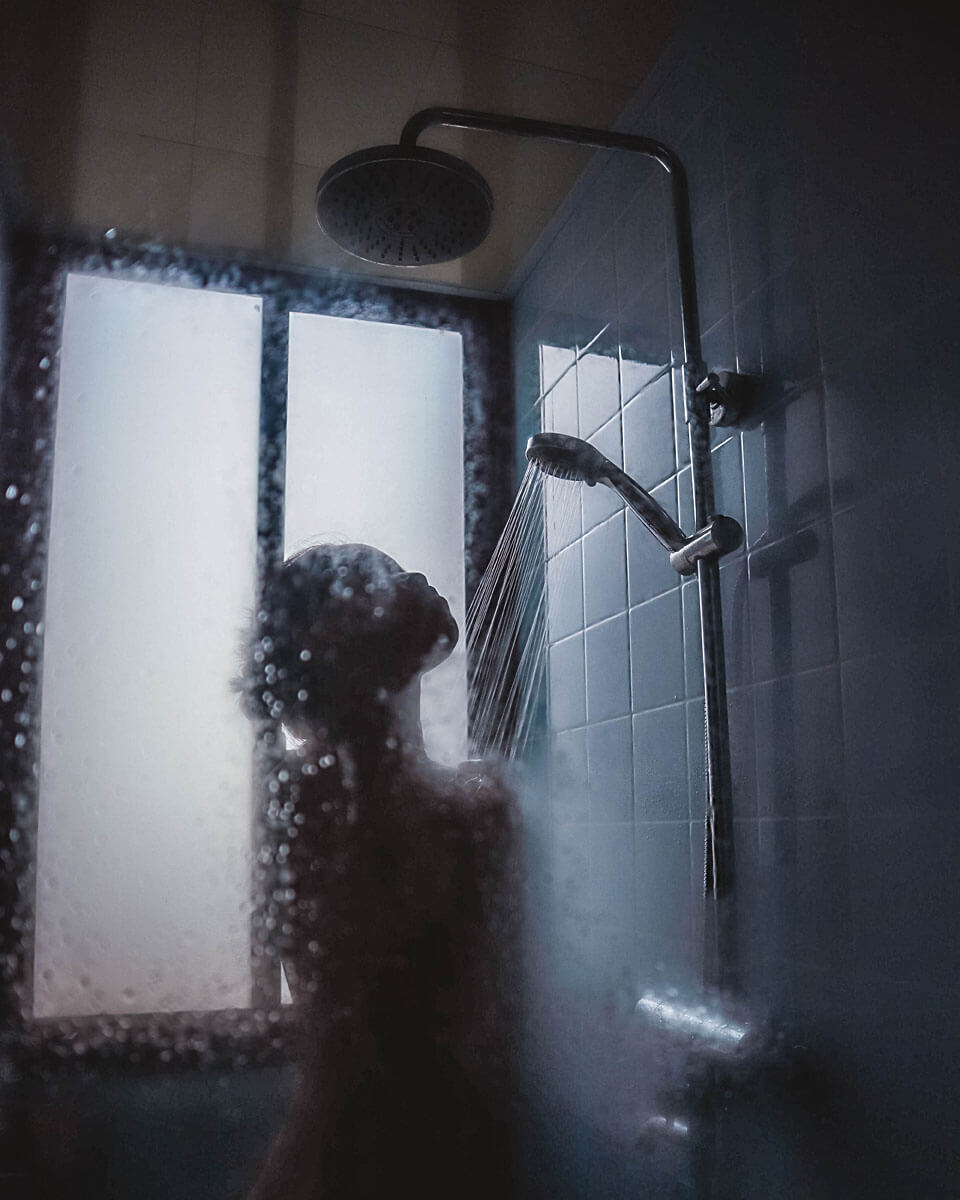
You should treat daily care of your vagina as your number one priority for maintaining healthy hygiene. Use warm water to rinse your vulva and the external parts of your genitals. That alone is absolutely ideal.
Keep in mind that using a pH-neutral soap is essential so you don’t disturb your vagina’s natural pH balance, which could cause unpleasant irritation. Make sure you choose a quality product that truly suits you.
It’s best to avoid regular soaps altogether, and run far away from scented shower gels, shampoos, or men’s cosmetics. They’re far too harsh for these sensitive areas. Don’t use rough sponges or puffs either.
The most common intimate hygiene mistakes
The most common mistake in intimate hygiene usually isn’t poor hygiene. It’s more often the exact opposite.
- Frequent washing or using aggressive products disrupts the natural pH.
- Bad wiping habits can also play a role, when bacteria from the anus are transferred to the area around the vagina.
- Poorly chosen panties, tight jeans, or trousers made from synthetic materials are guilty too.
- Sometimes the vaginal area can also be irritated by improper use of shaving products. You may get too much foam, shaving gel, or soothing aftercare product inside.
Intimate hygiene in different stages of life
When you were a little girl, basic washing with water was enough. With puberty and hormonal fluctuations come various natural discharges. Then there’s ovulation, menstrual hygiene, and suddenly things aren’t so simple anymore. Still, clean water remains the very best option.
So which stages are more demanding?
During menstruation
During menstruation, hygiene matters greatly. Change your hygiene products regularly—pads, tampons, whatever you use—and rinse yourself with warm water whenever possible (ideally at least twice a day). This helps prevent infections, unpleasant odors, and possible health issues.
After childbirth
After childbirth, it’s best not to irritate injured areas more than necessary. Once again, clean water and a gentle intimate wash are the winners. While bleeding, the rule is simple: the more often you can rinse quickly, the better. Your vagina is still recovering, and its microflora and balance should settle once the bleeding ends. Give yourself time.
Menopause and dry mucous membranes
During menopause, the vaginal mucosa can become drier, meaning less resilient and more prone to inflammation. In that case, intimate washes that also moisturize the skin are worth choosing.
There are hormonal gels for very dry mucous membranes, but that’s something to discuss with a doctor.
Intimate hygiene and sex
You already know the safe ways to shave your intimate areas, and some rules for sexy play are similar. Both can put strain on these delicate places. Too much pressure, rubbing, licking, curious fingers—you can imagine the rest. So let’s divide hygiene into before sex and after sex.
If you’re not sure how to handle shaving, we’ve got plenty of information for you! Read more in the article below.

Preparation, not just before sex
For playtime, you want to be at your most fragrant and most beautiful. Here’s a little secret: the best scent is your natural one, especially around ovulation or in the days just before it. Sweet, with hints of honey and hay—you may even notice it yourself. But trust us, the male nose can be utterly hypnotized by it. During these golden, deliciously scented days, warm water and maybe a relaxing bath are enough.
Before your period or just after it, you may not feel quite so comfortable. Hormones shift, natural discharge becomes cloudier, which is normal, and bacteria work a little harder. So an intimate wash becomes a must. Always wash gently only around the vaginal area, never rinse inside, and definitely not with soap. Everything clean and deliciously fresh is taken care of by your vulva.
After sex
After sex, hygiene is even more important if you want to avoid possible inflammation. Semen is strongly alkaline and can significantly disrupt the vaginal environment.
Many women also notice an unpleasant odor lingering even the next day after unprotected sex.
This can also happen after using lubricants or toys. Lubricants try to be as neutral and gentle to the intimate environment as possible, but they’re still something that doesn’t naturally belong inside the vagina.
Let your vagina deal with all of this on its own. During that time, focus more on washing the vulva with gentle soaps or foams. The vagina will gradually clear out semen by itself within hours or days.
If you feel stinging, itching, or pain, it may even be an allergy to the lubricant or semen. In that case, it may be worth considering a vaginal rinse as first aid. These products are sold in pharmacies and are meant to help restore the vaginal microflora.
Hygiene with toys
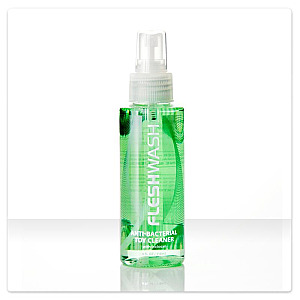
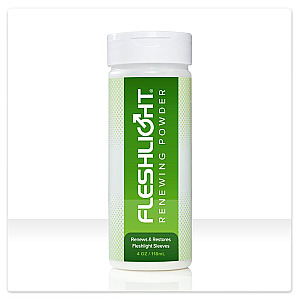
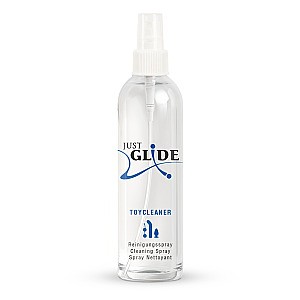
Perfect hygiene is important when using sex toys too. Special cleaners are easy to use—a few sprays and you’re done.
If you don’t have them, wash every toy before use with warm water and antibacterial soap, then dry it thoroughly. Do the same afterward. Harmful microorganisms can multiply in any moisture left on the toy, and at the next use they can pose quite a challenge to the vaginal ecosystem. That makes it easy to end up with an infection or inflammation.
Choosing the right products: Products and supplements for intimate hygiene
Want to take care of your intimate hygiene properly? It’s really not complicated—just focus on a few important things when choosing the right products.
Some products protect the microflora by helping prevent disruption. But they don’t make up the microflora itself, so using more of a product than necessary—or even applying it inside the vagina—definitely won’t help as prevention. That, by the way, is another common myth. Washing gels are not treatment, only prevention for a healthy vagina.
Emulsions and gels are the most common and the best for everyday hygiene. Foams are the gentlest and are ideal for caring for injured, sore, or swollen areas, for example after childbirth. A soft, delicate foam reduces friction and rinses off more easily, without unnecessary painful contact.
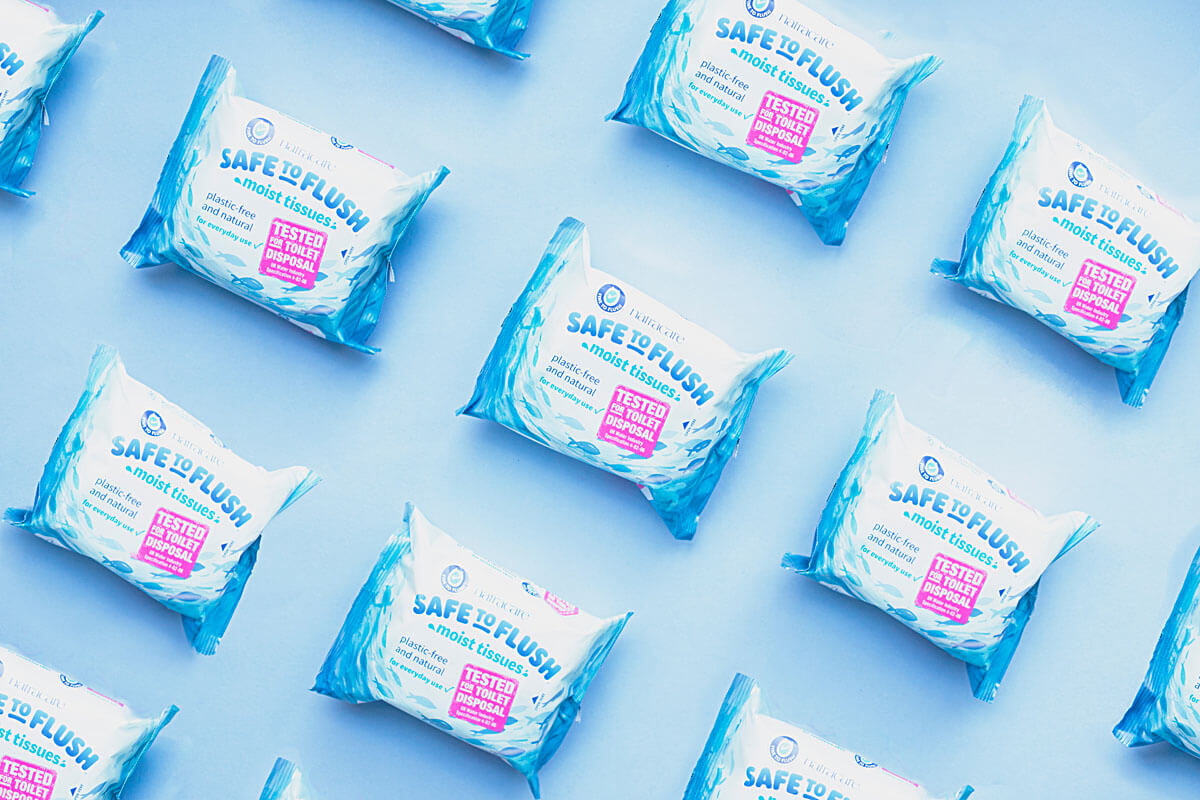
Some foams are designed for travel. You simply use them while on the toilet and wipe with a tissue. They can replace wet wipes, which are also great, by the way. Again, they are for the vulva only, not the vagina. And they’re an emergency option—for when things get serious. Or just for a last-minute feeling of freshness.
Among products that support healthy microflora, we can also include probiotics or various herbs such as maca, evening primrose, or ashwagandha. Probiotics act directly on the gut microflora, which can then improve the microflora in the vagina as well. Herbs that help hormonal balance can tune the body back toward stronger natural self-protective functions.
Watch out for fragrances!
Forget scented products. It’s better to avoid fragranced products that could cause irritation. Stick to these principles and your vagina will thank you. No one wants to spend the day dealing with uncomfortable problems because of one poor choice. Be cautious even with intimate hygiene products containing tea tree oil—it disinfects and smells nice, but it can irritate some people.
Lifestyle and its impact on intimate health
Here we hit a sensitive point: did you know stress affects the condition of your vagina too? And not just because it throws off hormone levels, but also because it can make you crave more sweets, which is ideal fuel for yeast.
Add too little sleep, some rougher sex, or semen in the vagina, and you can wake up with a full-blown inflammation almost overnight.
As you may suspect, yogurt and fermented foods (kombucha, kimchi, sauerkraut) are beneficial for the vagina. Adding these goodies to your diet is worth it when you feel you’re prone to various kinds of irritation down there.
And while we’re talking about food, you probably know the myth about pineapple and the taste of semen. But how can you improve your own scent and taste? Ironically, people say pineapple helps women too and makes them smell more delicious. The same goes for cranberries, watermelon, or mango. Give it a try!
But what should you definitely avoid? What your partner will absolutely notice between your thighs is garlic and onion, and too much coffee can also negatively affect intimate scent. These odors are released through your pores, after all.
So yes, avoid those before a date for more than one reason—not just because of the kiss. Otherwise, though, you smell completely natural, and men find that wildly attractive. There’s a hint of honey, hay, sweet warmth, and a touch of musk, all beautifully unique to you.
Intimate hygiene after exercise, exertion, or the pool
Now we’re at the hottest topic. When you sweat, when it’s hot, when you’ve had a hard day and haven’t washed all day, when you’ve worked out or just come back from a run—don’t expect to smell amazing. The same goes for a swimming pool or lido; they can temporarily alter your scent too.
For both the vulva and vagina, these are stressful situations. Just like overly tight synthetic leggings or trousers, pantyhose, or anything that makes you clearly feel this just isn’t right.
Don’t panic—no one smells lovely in these situations. Just hop into the shower as soon as you can. And afterward, let these parts of your body breathe and rest. Put on airy cotton underwear and give your body down there as much freedom as possible.
Clothing matters
Choose clothing made from natural fibers such as cotton or linen. That way, your skin can breathe and you’ll feel more comfortable right away. Avoid tight clothing that can trap moisture and cause unpleasant irritation. Look for underwear that fits well and feels comfortable.
Warning signs and when to see a doctor
When is it no longer just a temporary rough patch? If you notice unusual discharge, odor, itching, or even abdominal pain. Or if you have recurrent infections, various pains, or your cycle is doing whatever it wants.
The most common intimate issue is yeast infection, which can easily develop from irritation caused by sweating, semen, or chlorinated water. Some women are so prone to it that even a single exposure to risk can trigger an infection. In that case, don’t wait around—see your doctor.
Treatment is simple, and within a week you’ll be completely fine.
What does an ideal daily routine look like?
Maybe you want to know what a daily routine should look like and whether you’re doing everything right.
Because social media and films show us women who wake up in the morning ready for kissing and loving in the deepest corners of their bodies. Everything smells perfect. A quick shower, then after a full day at work, two swims, no prep at all, wild sex again with plenty of licking. Maybe a bath in the evening, and only then a hint of hygiene appears.
Sure, films aren’t going to show us reality. No, it would never work like that—for anyone, not even actresses. Not even those in naughty films; they have to maintain an incredibly high level of hygiene and wash carefully even between scenes. So yes, a normal woman wakes up in the morning and simply doesn’t smell amazing. Especially if she had sex and didn’t get a chance to wash.
Morning washing freshens you up for a few hours at most. By noon, you may no longer feel all that great. Most of us wait for evening hygiene like salvation—believe that.
If you want to keep that feeling of freshness as long as possible, pay attention to just a few things:
- Wipe carefully—or rather, pat dry—after every pee
- You can change your underwear during the day too (very effective)
- Use a thin panty liner, ideally unscented; scented ones only very temporarily and for emergencies, and change it often
- Use an intimate foam or wipe
The last two tips are more for situations when you want to stay as fresh as possible at all costs.
TLDR: Let’s sum it up
Be gentle
When washing your intimate area, remember to be gentle. Don’t apply any harsh soaps—they can cause unpleasant irritation and dryness. Scratches from rough washing or using coarse exfoliators are not something you or your sensitive area would ever want.
Visit your gynecologist regularly
See your gynecologist regularly. A gynecologist can check for all kinds of issues and infections and recommend the best steps for maintaining proper intimate hygiene. Schedule regular appointments, and your lady parts will definitely thank you for it!
What to take away from this
Stick to these few tips for proper hygiene. You’ll be doing yourself the biggest favor. After all, keeping your vagina healthy and clean should be your number one priority. Be gentle in caring for your intimate area, avoid harsh chemicals and perfumes, and don’t forget to visit your gynecologist regularly to ensure optimal intimate health. You deserve it, so give yourself the care and protection you need!
Follow our social media and our website so you don’t miss any news from the exciting world of not only love-filled experiences, but also clever hygiene essentials.
- Girls masturbate! Tips for women how to properly self-satisfy
- Vaginal dryness: How to increase vaginal wetness? 5 tips for a wetter vagina
- 13th October we celebrate International No Bra Day. 6 tips why go braless!
- Sex in pregnancy and after childbirth: Is it healthy to have sex?
- Woman Sexuality: History and Current Affairs